Aspen in Summer: Festivals, Hiking and Outdoor Concerts
A practical guide to Aspen in summer: the festivals worth planning around, hikes from an hour to a full...

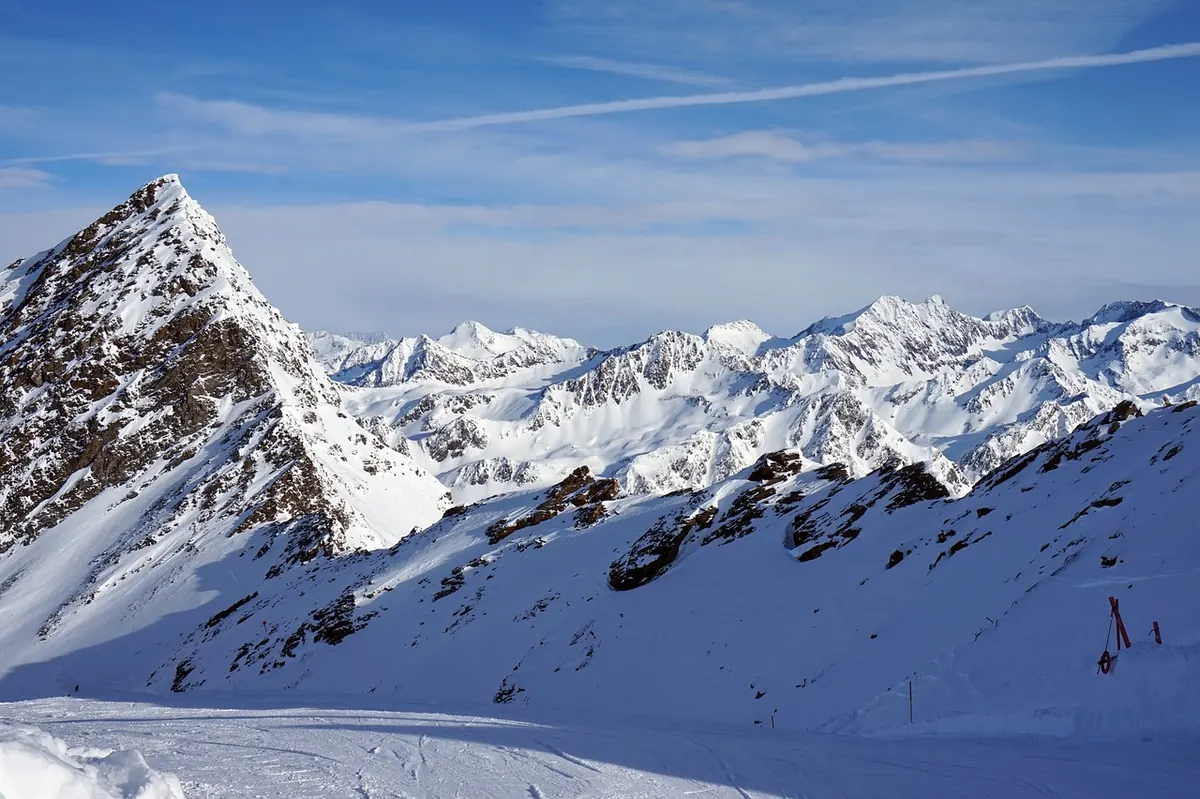
Aspen has a reputation: fur coats on the mall, familiar faces in the lift queue, and slopes that make confident skiers pause. Set that aside for a week. The town sits beneath four separate mountains, and two of them — Buttermilk and Snowmass — are among the friendliest places in Colorado to learn. Get three things right before you fly — which mountain to base yourself on, which lessons to book, and which lift pass matches the terrain you'll actually ski — and a first ski trip here feels far less daunting than the postcards suggest.
The four mountains do very different jobs, and choosing the wrong one on day one is the most common first-timer mistake.
Frequent buses run between Aspen town and Snowmass Village, so you don't need a car every day — check the current timetable before you rely on it. Staying in Snowmass Village puts you at the base of the gentlest terrain; staying in Aspen gives you restaurants and a short ride to the lifts.
The Aspen Snowmass Ski & Snowboard School teaches at all four mountains, and booking direct keeps everything — lesson, meeting point, lift access — in one place.
Group lessons are sociable and cheaper, and beginners are usually grouped by confidence and experience. Ask what the maximum group size is: a group of six and a group of twelve feel completely different, and a nervous beginner gets far more feedback in the smaller one.
Private lessons cost more, but half a day one-to-one can achieve what a week of trial and error won't. Ask whether a private can be shared with a partner or friend of similar ability, which often makes it better value.
Multi-day beginner packages, which bundle lessons, equipment hire and beginner lift access, exist at most resorts. Ask for them by name rather than assuming they're only advertised online. For children, the Treehouse Kids' Adventure Center at Snowmass is the usual starting point; book early for Christmas, New Year, February and Easter weeks.
Questions worth asking when you book:
A good rhythm for the first two days: a morning group lesson, then an afternoon practising what you covered while it's still fresh.
Book rentals online before you travel — you'll get a better choice and skip a long queue on your first morning. Then focus on the one item that decides whether you enjoy the day.
Ask whether your rental package allows swaps at another mountain's outlet — handy if you change plans halfway through the week.
A full Aspen Snowmass ticket covers all four mountains, and window rates for single days are steep. Buying multi-day access online in advance usually lowers the daily cost. But beginners often don't need the full product at all.
Prices move every year, so ask the ticket office and ski school directly when you book — and don't buy a full pass until you know which terrain your instructor will actually put you on.Photo: nervosa22 / Pixabay
A practical guide to Aspen in summer: the festivals worth planning around, hikes from an hour to a full...
A month-by-month guide to Aspen's winter events, from opening week to closing day, with booking windows...
Car hire, buses, hotel shuttles or your own two feet? A practical comparison of how to get around Aspen,...