Aspen in Summer: Festivals, Hiking and Outdoor Concerts
A practical guide to Aspen in summer: the festivals worth planning around, hikes from an hour to a full...

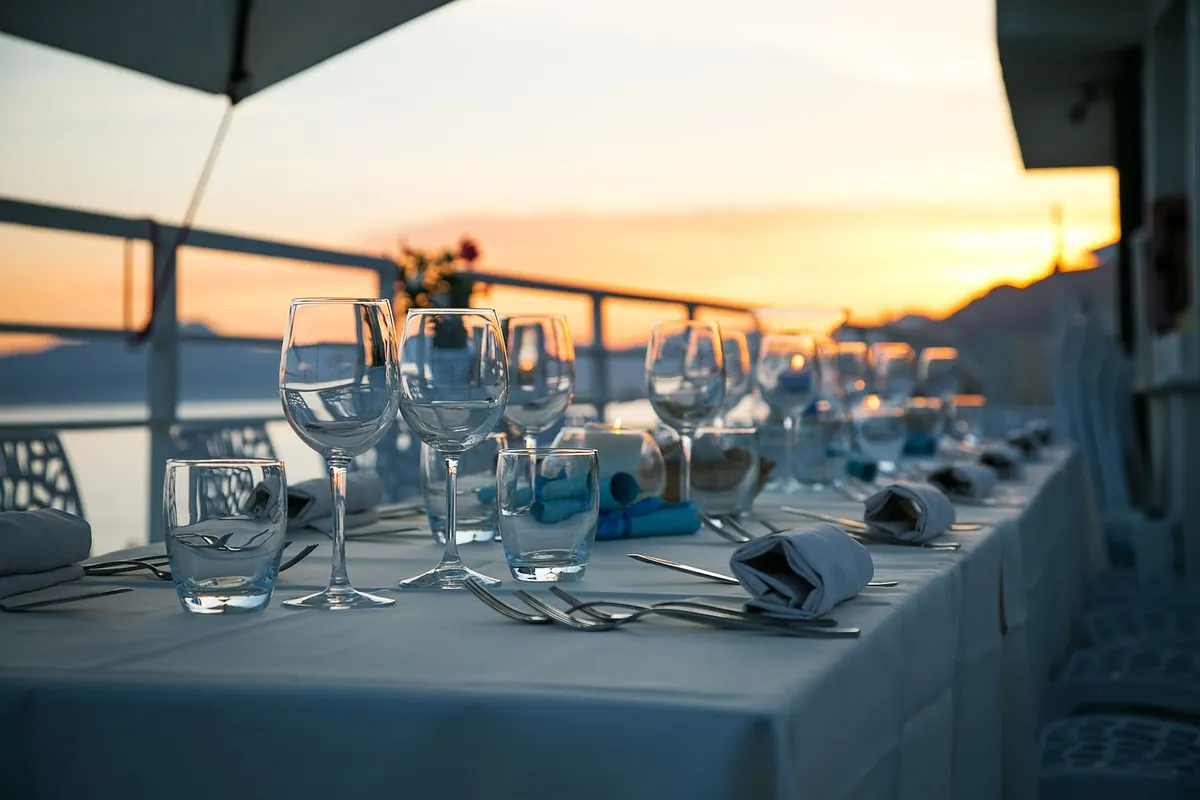
Aspen's restaurants can feel reassuringly familiar to a British visitor until the host asks for a card to hold your table, or the bill arrives with a service charge already on it. The town runs on reservations in season, service is warmer and more present than at home, and the tipping arithmetic is different. None of it is difficult once you know the ground rules.
Aspen is a small town with a remarkable number of good restaurants, and in season it fills up. The two crunch periods are the ski season, roughly mid-December to early April, with Christmas, New Year and early January the hardest, and the summer, when events such as the Food & Wine Classic pull in crowds. A table for four at a well-known address is not something you decide on at six o'clock.
Book as early as the restaurant allows. Many open their books several weeks ahead, and the prime slots, around 19:00 to 20:30, go first. If you are staying in a hotel, ask the concierge to help, but understand that they are working from the same availability as everyone else. Booking platforms do the job too, and most Aspen restaurants take online reservations for the quiet nights and route the popular ones through their own system.
Expect a card to secure the booking. Plenty of Aspen restaurants hold reservations with a credit card and charge a fee for no-shows or very late cancellations, particularly on holiday dates. If plans change, cancel early rather than simply not turning up. A phone call the day before is far better received than an empty table, and it costs you nothing. Confirmations increasingly arrive by text; reply to them, because some houses release unconfirmed bookings the same afternoon.
On busy evenings, tables are often booked in windows rather than for the whole night, and you may be told the table is yours for ninety minutes or two hours. It is rarely enforced with a stopwatch, but it is a real limit. If you want a long, unhurried dinner, say so when you book and aim for an earlier sitting.
There is a walk-in route. Bar seating is usually kept back for people who turn up, so arriving as the doors open, or later in the evening once the first sitting has cleared, gives you the best odds. Watch the kitchen closing time too: Aspen is not London, and many places stop serving earlier than you might expect, especially midweek.
Tipping in the United States is not a bonus for exceptional service; it forms a substantial part of how waiting and bar staff are paid. Twenty per cent is standard for table service and is what most locals leave. Fifteen per cent signals that something went wrong. If service was genuinely poor, say so politely rather than slipping away without a word.
Most people tip on the pre-tax subtotal, though plenty simply tip on the total. Either is fine. To make it concrete: on a $120 dinner bill, twenty per cent is $24, and most people would round to $25 and be done with it. On a $12 round of drinks, two or three dollars is generous and perfectly normal.
Cash is welcome and often preferred, but a card tip is perfectly normal. If you leave cash on the table, hand it to your server as you leave, or mention it, so it is not missed or assumed to be pooled. One British habit worth breaking: adding a tip on the card slip and then also leaving cash because you forgot what you wrote.
Read the bill before you add anything. A growing number of American restaurants apply an automatic service charge, often for larger parties, on peak holiday nights, or in hotel-run dining rooms. Some add separate fees with names like "kitchen appreciation", which are not the same as a gratuity and may be distributed differently.
If a service charge of 18 or 20 per cent is already there, you are not expected to add another 20 per cent on top. Ask the server plainly whether the charge goes to the staff; it is a normal question and nobody will take offence. A small fee of one or two per cent, on the other hand, is usually a house charge rather than your tip, and the usual tip still applies.
Sales tax is added on top of menu prices in Colorado, so the total will be higher than the figures you read. Prices are quoted before tax, and there is no way around it. Service is not included in the price unless the menu says otherwise.
Aspen is expensive but not stiff. The prevailing look is polished casual: good jeans, a cashmere jumper or a collared shirt, clean boots or smart shoes. You will see people in ski wear at lunch on the mountain and in the more relaxed rooms in town, and nobody will look twice at a waterproof jacket at a mid-range bistro.
That said, a handful of the top-end dining rooms ask for more, and the smarter hotel restaurants enforce it politely. Check the website or ask when you book; the rules are usually stated, and it is far less awkward to know in advance than to be handed a loaner jacket at the door. Note that "no trainers" does not carry the British meaning here. Clean, plain trainers are acceptable at most places, and the real line is drawn at ski boots, flip-flops and gym wear in the evening.
Americans split bills without ceremony. Asking for separate checks is completely normal, but say so at the start of the meal rather than at the end, and the server will organise it from the first round. Splitting one bill evenly across several cards is equally routine.
Cards are accepted almost everywhere, including contactless and phone payments, so you rarely need much cash. When you pay by card, the terminal or the slip will suggest percentages; you can accept one, or choose a custom amount, and no one will comment.
Worth knowing: on a card slip, there are two lines, one for the tip and one for the total. Write the tip, add it to the bill, and write the new figure on the total line. Fill in both, or the charge may be processed before your tip lands. Keep a few dollar bills for the small moments that cards cannot cover: coat check, the shuttle driver, and housekeeping.
Service is quicker and more attentive than you may be used to. Water is refilled without asking, plates are cleared promptly, and the bill may arrive before you have thought to request it. This is not a hint to leave. If you want to linger, say "we're not in a hurry" and the pace will ease.
Your server will introduce themselves by name, and a little warmth in return goes a long way. Iced water is standard; asking for tap water or no ice is free and entirely normal. Bread, when it comes, is complimentary, and the same goes for the jug of water. What is not free is a basket you did not want, so ask before you assume.
Send it back politely, and do it immediately. In the United States, flagging a problem at the time is expected rather than rude, and you will almost always get it fixed without fuss. If the issue is not resolved, ask to speak to the manager; that too is normal.
What you should not do is stay silent and then leave nothing. Withholding a tip is read as a verdict on the server, who may have had nothing to do with the kitchen's mistake, and it lands as an insult rather than feedback. Say your piece, settle the bill, and tip accordingly.
None of this is complicated, and none of it is designed to catch you out. Treat the tip as part of the price rather than a judgement on the meal, book ahead as the locals do, and the rest of the evening takes care of itself.
Photo: JoelFazhari / Pixabay
A practical guide to Aspen in summer: the festivals worth planning around, hikes from an hour to a full...
A month-by-month guide to Aspen's winter events, from opening week to closing day, with booking windows...
Car hire, buses, hotel shuttles or your own two feet? A practical comparison of how to get around Aspen,...